ByBit
Bybit는 전문적인 플랫폼, 빠른 매칭 엔진 및 포괄적인 고객 지원 제공을 목표로 하는 암호화폐 거래소입니다. 1,000개 이상의 암호화폐를 거래할 수 있는 플랫폼을 제공하며, 세계에서 세 번째로 큰 암호화폐 거래소로서 전 세계 2,000만 명의 사용자들 사이에서 인기를 얻고 있습니다. [1]
개요
2018년 3월 벤 저우(Ben Zhou)에 의해 설립되어 같은 해 12월에 출시된 Bybit은 1,000만 명 이상의 개인 사용자 및 기관에 서비스를 제공하고 있습니다. Bybit은 현물, 선물, 옵션뿐만 아니라 런치패드 프로젝트, 수익 창출 상품, NFT 마켓플레이스를 포함한 다양한 자산과 계약에 대한 접근을 제공하는 것을 목표로 합니다.
암호화폐 및 Web3 생태계의 성장을 촉진한다는 비전 아래, Bybit은 원활하고 공정한 거래 경험을 촉진하는 '#TheCryptoArk'로서의 역할을 지향합니다. 이 거래소는 전문성, 혁신, 투명성 및 고객 중심 가치를 우선시하며, 연중무휴 다국어 지원을 통해 공정하고 효율적인 거래 환경을 구축하고자 노력하고 있습니다.
설립 이래 Bybit은 전 세계 사용자가 접근할 수 있는 공정하고 투명하며 강력한 암호화폐 파생상품 거래소를 제공함으로써 차별화를 꾀해 왔습니다. 플랫폼은 급변하는 시장 환경 속에서 유동성, 투명성 및 신뢰성을 제공하고자 합니다. 초기에는 암호화폐에 능숙한 개인을 위한 파생상품 거래에 집중했으나, 현재 Bybit은 기술을 통한 금융의 민주화라는 사명에 전념하면서 더 넓은 층의 고객을 만족시키기 위해 서비스 범위를 확장했습니다.[1][2]
역사
2018
2018년에 설립된 Bybit은 금융을 혁신하고 암호화폐 및 Web3 생태계를 지원하는 것을 목표로 했습니다. 설립 후 두 달 이내에 첫 번째 BTCUSD 인버스 무기한 계약을 출시했습니다. Bybit의 미션은 모든 사람이 접근할 수 있는 투명하고 신뢰할 수 있는 암호화폐 파생상품 거래소를 구축하는 것이었으며, 기술을 통한 금융 민주화를 우선시하면서 더 넓은 사용자층을 수용하기 위해 시간이 지남에 따라 발전해 왔습니다.[2][3]
2019
2019년, Bybit은 5,000명의 초기 사용자들의 지지에 힘입어 5월에 손익분기점을 돌파하는 중요한 이정표를 세웠습니다. 이 기간 동안 회사는 사용자의 피드백에 귀를 기울이고, 사용자의 요구를 배려하며, 지속적으로 개선을 위해 노력한다는 핵심 가치를 정립했습니다. 또한 Bybit은 전 세계 비트코인 거래량의 10%라는 주목할 만한 수치를 처리하며 암호화폐 거래 시장에서의 입지를 공고히 했습니다.[3]
2020
2020년 Bybit는 일일 거래량 40억 달러를 돌파하고 BitMEX의 시장 점유율을 추월하며 상당한 성장을 경험했습니다. 또한 회사는 팀을 확장하여 2,000명의 신규 직원을 맞이했습니다. 추가로 Bybit는 전 세계 트레이더들을 유치하기 위해 200 Bitcoin의 거대 상금 풀을 내건 트레이딩 대회 "World Series of Trading"을 런칭했습니다. 이 대회는 연 2회 시리즈의 첫 시작을 알렸습니다.[3][4]
2021
2021년 바이비트(Bybit)는 베트남과 동아시아 지역 아동들의 디지털 학습 및 STEAM 교육 프로그램을 지원하기 위해 2년 동안 비트코인 일일 거래량 80만 건을 돌파하는 등 여러 이정표를 세웠습니다.
보안 규정 준수를 강화하기 위해 바이비트는 사용자 계정과 자산을 더 안전하게 보호하는 것을 목표로 고객 알기 제도(KYC) 절차를 시행할 계획이라고 발표했습니다. 또한 이 거래소는 미결제약정 기준 세계에서 두 번째로 큰 비트코인 선물 거래 플랫폼으로 올라서며 업계 순위를 높였습니다.
또한 바이비트는 5월에 ByFi 센터를 도입하여 바이비트 런치풀(Launchpool), 이중 자산 마이닝, 자유 적립(Flexible Staking)과 같은 탈중앙화 금융(DeFi) 상품을 통해 사용자들이 암호화폐 보유 자산을 늘릴 수 있는 기회를 제공했습니다. 바이비트는 바이비트 런치패드(Launchpad)도 출시하여 BitDAO의 거버넌스 토큰인 BIT와 같은 혁신적인 암호화폐 프로젝트에 사용자들이 참여할 수 있도록 했습니다.[3][5][6][7][8][9][12]
2022
2022년, 바이비트(Bybit)는 여러 도전 과제 속에서도 중요한 이정표를 세웠습니다. 통합 거래 계정(Unified Trading Account)을 신속하게 도입하고, 업계 최초로 USDC 결제 옵션 계약을 선보였으며, Oracle 레드불 레이싱과 파트너십을 체결했습니다. 또한 바이비트는 실시간 예치금 증명(proof-of-reserves) 시스템을 구현하여 투명성을 최우선 과제로 삼았습니다.
서비스 확장의 일환으로, 바이비트는 직접 암호화폐 거래를 위한 P2P 플랫폼을 출시하고 바이비트 NFT 마켓플레이스를 선보이며 NFT 분야에 진출했습니다. 아랍에미리트(UAE)에서 가상자산 사업 승인을 받았으며, 이에 따라 글로벌 본사를 두바이로 이전했습니다.
바이비트는 또한 AMM 거래를 위한 다양한 유동성 풀을 제공하는 유동성 마이닝(Liquidity Mining)을 도입했으며, 상위 트레이더의 포지션을 번거로움 없이 복제할 수 있는 카피 트레이딩(Copy Trading)을 출시했습니다. 기관 투자 팀을 위해 바이비트는 수탁 거래 하위 계정(Custodial Trading Subaccount)을 도입하여, 투자자들이 전문적인 자산 관리를 위해 자금을 위탁하는 동시에 거래 전략을 보호할 수 있도록 했습니다.[3][10][11][12][13][14][22][16]
2023
2023년, ByBit는 두바이에 본사를 설립하고 MVP 라이선스를 취득하며 새로운 단계에 진입했습니다. 이 기간 동안 플랫폼은 사용자 2,000만 명을 돌파했으며, CoinGecko에서 신뢰할 수 있는 암호화폐 거래소 중 하나로 인정받았습니다. ByBit는 거래량 기준 상위 3대 거래소에 지속적으로 이름을 올리며 업계 내 입지를 공고히 하는 것을 목표로 했습니다. 또한, ByBit는 Mastercard와 글로벌 파트너십을 체결하여 독점적인 ByBit 카드를 출시했습니다.
2023년 3월에는 웹 트래픽이 크게 증가하여 2,071만 건의 방문 횟수를 기록했으며, 이는 2023년 2월 대비 34.5% 증가한 수치입니다. ByBit는 또한 소셜 미디어 플랫폼 전반에서 참여도를 높여 Facebook, Twitter, Instagram에서 가장 활발하게 소통하는 브랜드 중 하나가 되기 위해 노력했습니다.[3][32]
2024
2024년 Bybit은 플랫폼 안정성 및 기관용 상품 강화에 집중하며, 기관 고객을 위한 서비스 개선과 Bybit 카드를 통한 접근성 향상이라는 비전을 제시했습니다. 이 플랫폼은 "2024년 올해의 최우수 블록체인 기업"으로 선정되었으며, 2026년 초까지 24시간 거래량이 230억 달러 이상을 기록했다고 보고했습니다.[64] 2024년 1월 11일에는 5개의 혁신적인 프로젝트 대표들과의 중추적인 논의를 통해 Bybit NFT Pro 진화의 중요한 순간을 맞이했습니다. [33][34]
2024년 8월 1일, Bybit은 프랑스 내 운영 중단과 프랑스 사용자에 대한 계정 기능 제한을 발표했습니다. Bybit은 유럽 국가에서의 운영 중단 원인으로 프랑스 금융 규제 기관인 금융시장국(AMF)의 "최근 규제 전개"를 꼽았습니다. [58]
제품
P2P 플랫폼
바이비트(Bybit)의 P2P 거래 플랫폼은 합의된 가격으로 사용자 간의 직접 거래를 촉진하는 것을 목표로 하며, 맞춤형 주문과 거래 수수료 무료 혜택을 제공합니다. 참여를 위한 예치금이 필요하지 않으며, 주요 법정 화폐와 함께 80가지 이상의 결제 수단을 지원합니다.
보안을 보장하기 위해 특정 임계값을 초과하는 거래는 KYC(고객 알기 제도) 인증을 거칩니다. P2P 플랫폼에서 사용자의 현물(Spot) 계정으로의 이체는 즉시 이루어지므로 바이비트의 거래 플랫폼과 원활하게 통합됩니다.
500만 명 이상의 트레이더 커뮤니티를 보유한 이 플랫폼은 사용자가 개별 요구와 선호도에 맞는 구매자 및 판매자와 연결될 수 있는 역동적인 시장에 대한 접근을 제공합니다.[10][65][17][66]
Bybit Earn
Bybit Earn은 다양한 위험 선호도와 수익 기대치에 맞춘 다양한 상품을 통해 경쟁력 있는 수익률과 보안을 제공하는 것을 목표로 합니다. Bybit 저축(Savings)은 경쟁력 있는 APR을 갖춘 자유 적립식 및
- 정기 예금 상품을 제공하며, 유동성 마이닝(Liquidity Mining)과 이중 자산(Dual Asset)은 각각 장기 수익과 단기 거래 기회를 찾는 사용자들을 지원합니다.
ETH2.0 유동성 스테이킹(Liquid Staking)은 최소한의 ETH 보유량으로 이더리움(Ethereum) 검증 프로세스에 참여할 수 있게 하며, Bybit 더블 윈(Double-Win) 및 할인 구매(Discount Buy)는 다양한 시장 상황에서 단기 수익을 얻을 수 있는 기회를 제공합니다. Bybit 자산 관리(Wealth Management)는 다각화와 성장을 위해 전문적으로 관리되는 투자 전략 제공을 목표로 하며, Bybit 런치풀(Launchpool)은 사용자가 특정 토큰을 스테이킹하고 비용 없이 새로운 토큰을 얻을 수 있도록 합니다.[67][14][21]
카피 트레이딩 플랫폼
바이비트의 카피 트레이딩 플랫폼은 마스터 트레이더(Principal Traders)와 팔로워 모두에게 사용자 친화적인 경험을 제공하며, 원활한 거래 복제 환경을 구축하는 것을 목표로 합니다. 팔로워는 검증된 마스터 트레이더 풀에서 선택할 수 있어 다양한 거래 전략을 접할 수 있습니다.
한편, 마스터 트레이더는 자신의 전문성을 입증하고 팔로워로부터 수익의 일부를 공유받을 기회를 가집니다. 이 플랫폼은 실시간 모니터링 및 심사 프로세스를 유지하면서도 거래 복제를 간소화하기 위해 자동화를 우선시합니다.
또한, 카피 트레이딩은 USDT 무기한 거래 및 선물 그리드 봇까지 확장되어, 사용자의 선호도와 위험 감수 성향에 따라 거래를 복제할 수 있는 유연성을 제공합니다. 야심 찬 트레이더는 마스터 트레이더가 되기 위해 신청할 수 있으며, 팔로워와의 수익 공유를 통해 수익 잠재력을 높일 수 있습니다.[22][68][23]
통합 거래 계정 (Unified Trading Account)
바이비트 통합 거래 계정(UTA)은 트레이더가 현물 거래, 현물 마진 거래, USDT 무기한, USDC 무기한, 선물 및 USDC 옵션을 포함한 다양한 거래 상품을 단일 계정 내에서 이용할 수 있도록 지원합니다. 이 계정은 교차 담보 마진 기능을 통합하여 계정 간 이동 없이 효율적인 포지션 관리를 용이하게 하는 것을 목표로 합니다.
UTA는 교차 마진(Cross Margin), 포트폴리오 마진(Portfolio Margin), 격리 마진(Isolated Margin)과 같은 다양한 마진 모드를 지원하여 트레이더가 다양한 거래 전략과 위험 관리 기법을 구현할 수 있도록 합니다. 자동 차입 및 담보 가치 비율 계산과 같은 기능을 통해 트레이더는 거래 활동을 최적화하고 위험을 효과적으로 평가할 수 있습니다.
표준 계정과 비교하여 UTA는 여러 마진 자산을 담보로 사용할 수 있도록 허용함으로써 향상된 유연성을 제공하며, 거래 운영을 간소화하는 것을 목표로 합니다. 이러한 다재다능함은 포괄적인 거래 혜택과 결합되어 UTA를 원활한 거래 경험을 원하는 트레이더들에게 선호되는 선택지로 자리매김하게 합니다. [69][24][25]
트레이딩 봇
바이비트(Bybit)는 암호화폐 거래 프로세스를 자동화하도록 설계된 플랫폼인 트레이딩 봇(Trading Bot)을 제공합니다. 이 플랫폼은 그리드 봇(Grid Bot), DCA 봇, 마틴게일 봇(Martingale Bot) 등 다양한 유형의 봇을 제공하며, 이는 거래 활동을 간소화하고 다양한 전략과 시장 상황에 따라 투자 수익을 잠재적으로 향상시키는 것을 목표로 합니다.
트레이딩 봇은 장점과 위험을 동시에 가지고 있습니다. 거래 작업을 단순화하고 감정적인 개입을 완화하는 것을 목표로 하지만, 사용자는 운영의 일시적인 중단이나 시장 결과의 예측 불가능성과 같은 잠재적인 한계와 불확실성을 인지해야 합니다. 트레이더는 자동 거래 활동에 참여하기 전에 각 봇의 기능과 관련 위험을 철저히 이해하는 것이 권장됩니다.[70][26]
Bybit 카드
Bybit 카드는 일상적인 거래에서 자금에 편리하게 접근할 수 있도록 돕는 마스터카드(Mastercard) 체크카드입니다. 이 카드는 암호화폐 자산을 일상생활에 원활하게 통합하여, 사용자가 Bybit의 거래 상품을 통해 얻은 암호화폐 수익을 즉시 결제에 사용할 수 있도록 하는 것을 목표로 합니다. 전 세계 9,000만 개 이상의 마스터카드 가맹점에서 사용 가능한 Bybit 카드는 여러 암호화폐 자산을 결제 옵션으로 지원하며, 보안 강화를 위해 EMV 3-D Secure 기술을 채택하고 있습니다. 또한, 사용자는 로열티 보상 프로그램의 혜택을 누릴 수 있으며 연중무휴 다국어 고객 지원을 받을 수 있습니다.
Bybit 카드의 기능은 사용자의 신원 확인(Identity Verification) Lv. 2 국가에 따라 달라지며, 카드는 해당 국가의 법정 화폐 단위로 표시됩니다. 거래 가능한 지원 암호화폐에는 BTC, ETH, XRP, USDT, USDC, TON, MNT 및 BNB가 포함됩니다. 거래 시 펀딩 계정의 법정 화폐가 먼저 차감되며, 법정 화폐가 부족할 경우 암호화폐 자산이 결제 수단으로 사용되며 이때 전환 수수료가 부과됩니다.
Bybit는 가상 카드와 실물 카드 옵션을 모두 제공합니다. 가상 카드 라이트(Virtual Card Lite)는 주소 증명(Proof-of-Address) 확인 없이도 Bybit 카드 생태계에 간편하게 입문할 수 있게 해주지만, 평생 지출 한도가 150유로로 제한됩니다. 사용자는 주소 확인 절차를 완료하면 표준 가상 카드 또는 실물 카드로 업그레이드할 수 있습니다.[71][27][28][29]
Web3 지갑
바이비트(Bybit)의 Web3 지갑은 사용자가 개인 키를 직접 관리할 필요 없이 디지털 자산의 보안을 보장하면서 Web3 세계에 쉽게 접근할 수 있도록 하는 것을 목표로 합니다. 사용자 친화적인 인터페이스와 연중무휴 고객 지원을 제공하여 초보자도 편리하게 Web3를 탐색할 수 있도록 돕습니다.
바이비트 지갑을 통해 DeFi, GameFi, NFT와 같은 탈중앙화 애플리케이션에 원활하게 접속할 수 있습니다. 또한 크로스 체인 호환성, 개인 키 관리, 자동 에어드랍 수집, NFT 마켓플레이스 및 DeFi 상품에 대한 접근을 지원합니다. 바이비트는 Web3 생태계로 향하는 선호되는 관문이 되는 것을 목표로 하고 있습니다.
암호화폐 거래 플랫폼인 Bybit.com과 차별화되는 바이비트 Web3는 Web3 서비스에 집중하며, 보안 강화를 위해 개인 키를 바이비트의 클라우드 서비스에 안전하게 보관합니다.[72][30][31]
NFT 마켓플레이스
바이비트의 NFT 분야 확장은 2022년 1월 바이비트 NFT 마켓플레이스 출시를 포함합니다. 이 플랫폼은 전 세계 크리에이터들의 고품질 프로젝트와의 협업에 중점을 두고 NFT를 상장하고 거래하는 중앙 허브 역할을 합니다.
참여를 독려하기 위해 바이비트는 특정 기간 동안 최소 하나 이상의 NFT를 구매한 사용자들에게 20,000 USDT 상금 풀을 제공했습니다. 등록된 사용자는 마켓플레이스에서 원활하게 거래할 수 있으며, 구매자에게는 거래 수수료가 부과되지 않습니다.
NFT 소유자는 자산을 재판매할 수 있으며, 곧 개인 지갑으로 출금도 가능해질 예정입니다. 또한, 일부 NFT는 미스터리 박스 형태로 판매되며, 각 박스에는 컬렉션의 무작위 아이템이 포함되어 있습니다.[11][18][19][20]
Spot X
Token SplashSpotX는 다음으로 구성됩니다:
- LaunchPad: Bybit Launchpad는 블록체인 프로젝트의 토큰 출시를 지원합니다. 자격이 있는 사용자는 개인 신원 확인(KYC) 1단계 또는 기업 인증을 완료해야 하며, 구독 기간 동안 계정 전반에 걸쳐 일일 평균 최소 100 USDT 잔액을 유지해야 합니다.[35][36]
- Launchpool: Bybit Launchpool을 통해 사용자는 통화를 스테이킹하고 프로젝트 토큰을 보상으로 받을 수 있습니다. 자격이 있는 사용자는 개인 KYC 1단계를 완료하고 Launchpool 홈페이지에서 토큰을 스테이킹해야 합니다. 일일 수익은 사용자의 펀딩 계정으로 입금됩니다.[37]
- ByStarter: ByStarter는 초기 참여자를 위한 토큰 판매 플랫폼을 제공하며, 상장이 보장되지는 않습니다. 사용자는 개인 KYC 2단계를 완료해야 합니다. 이 플랫폼은 검토를 거쳤으나 아직 거래소에 상장되지 않은 초기 단계의 프로젝트를 다룹니다.[38]
- ByVotes: ByVotes는 사용자가 Bybit 플랫폼에 상장될 프로젝트에 투표할 수 있도록 합니다. ByVotes (현물) 및 ByVotes (파생상품)는 개인 KYC 1단계 또는 기업 KYC를 완료한 사용자가 이용할 수 있습니다.[39][40]
- TokenSplash: Token Splash는 신규 상장 토큰을 소개하고 참여자에게 보상을 제공합니다. 자격을 갖추려면 개인 신원 확인(KYC) 1단계를 완료해야 합니다. 사용자는 이벤트 기간 동안 토큰 입금액, 거래량 또는 USDT를 통한 토큰 구매를 누적하여 보상을 받습니다.[41]
V5 API
V5 API는 Bybit 거래소에서의 거래 활동을 간소화하여 주문 처리, 시장 데이터 액세스 및 프로그래밍 방식의 계정 관리를 위한 기능을 제공하는 것을 목표로 합니다. 기관 투자자들은 Paradigm과의 협업을 통해 다양한 상품에 걸쳐 효율적인 블록딜 실행의 혜택을 누릴 수 있습니다. Paradigm API 거래에 참여하려면 비즈니스 KYC 인증 및 구글 2FA 인증 활성화를 포함한 특정 요구 사항을 충족해야 합니다.
통합 API V5는 현물, 파생상품 및 옵션용 API를 통합하여 일관성과 사용 편의성을 보장함으로써 상당한 개선을 가져오는 것을 목표로 합니다. V5로의 업그레이드는 원활하게 진행되도록 설계되었으며, 상품 간 공동 자금 활용을 가능하게 하여 자본 효율성을 향상시키는 것을 목표로 합니다. 또한 다양한 상품에 걸친 대출을 지원하고 블록딜 거래를 위해 Paradigm과 통합됩니다. API V5의 더 명확해진 경로 정의는 API 상호 작용 중 사용자 경험을 개선하고 명확성을 높이는 것을 목표로 합니다.[42][43][44][45]
파트너십
ByBit x BVB
2020년, Bybit와 보루시아 도르트문트(BVB)는 혁신적인 기술과 스포츠를 결합하여 BVB의 국제적 입지를 넓히고 Bybit의 유럽 거점을 강화하기 위해 파트너십을 맺었습니다. 이 다년간의 협업은 디지털 발전과 인재 육성 및 기회 포착이라는 공유된 가치를 양측이 서로 수용했음을 의미합니다.
보루시아 도르트문트의 전무 이사인 카르스텐 크라머(Carsten Cramer)는 이 혁신적인 파트너십을 통해 아시아 시장에 더 깊숙이 침투하고 클럽의 브랜드를 국제적으로 강화하게 된 것에 대한 기대감을 표했습니다.
Bybit의 CEO인 Ben Zhou는 두 기관 간의 시너지 효과와 진정성 및 탁월함에 대한 공동의 약속을 강조했습니다. 이 파트너십은 Bybit의 유럽 거점을 심화하는 동시에 보루시아 도르트문트의 글로벌 브랜드 인지도를 높이는 것을 목표로 합니다.[49][50]
Bybit x 아르헨티나 축구 협회
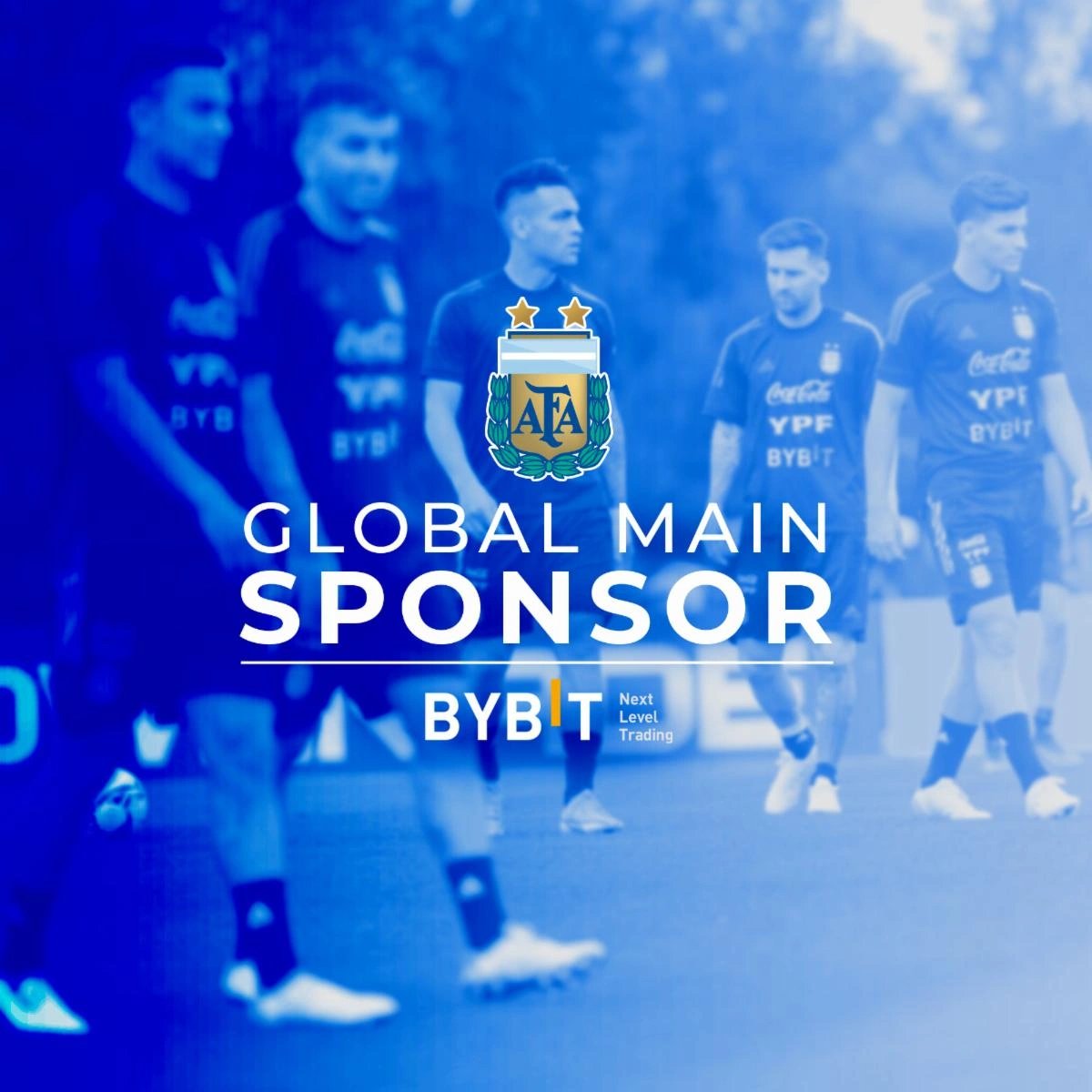
2021년, Bybit는 모든 국가대표팀의 글로벌 메인 스폰서로서 아르헨티나 축구 협회(AFA)와 파트너십을 맺었습니다. 이 협력은 AFA의 이니셔티브를 지원하는 동시에 라틴 아메리카 시장에서 Bybit의 입지를 강화하는 것을 목표로 합니다. 클라우디오 타피아(Claudio Tapia) AFA 회장은 협회의 목표를 진전시키는 데 있어 이 계약의 중요성을 강조했습니다.
Bybit의 CEO인 Ben Zhou는 알비셀레스테(아르헨티나 국가대표팀의 별칭)의 열정과 창의성이 Bybit의 가치와 일치한다고 언급하며 이번 파트너십에 대한 열의를 표명했습니다. [51]
ByBit x Virtus.Pro
2021년, Bybit는 러시아 e스포츠 조직인 Virtus.pro와 3년 후원 계약을 체결하여 750만 달러의 상금이 걸린 WSOT 2021 트레이딩 대회의 참가를 지원했습니다. 이는 다른 주요 팀들과의 계약에서도 나타나듯 e스포츠 분야에 대한 Bybit의 적극적인 참여와 궤를 같이합니다.
이번 파트너십에는 Virtus.pro 유니폼, 앱 배너, 소셜 미디어 채널에 대한 브랜드 노출과 커뮤니티 이니셔티브가 포함됩니다. Virtus.pro의 CEO인 Sergey Glamazda는 Bybit의 목표에 발맞추어 e스포츠와 암호화폐에 대한 이해를 단순화하는 것이 목표라고 강조했습니다.
또한, 이 파트너십을 통해 Bybit는 3년 동안 Virtus.pro의 공식 암호화폐 플랫폼 및 NFT 파트너로 지정되었으며, WOST 트레이딩 대회에도 참여하게 됩니다.[52][53]
ByBit x Astralis
2021년, 덴마크의 e스포츠 조직인 Astralis는 Bybit와 3년 간의 파트너십을 체결했습니다. 이 협력에는 Astralis의 CS:GO 유니폼 및 디지털 플랫폼에 Bybit 로고를 노출하는 내용이 포함되어 있습니다. 또한 이번 협업에는 선수 참여 활동, 탄소 중립 이니셔티브, 금융 교육 캠페인 기획 등이 포함됩니다.
Astralis 선수들은 총상금 750만 달러 규모의 Bybit 연례 WSOT 트레이딩 대회에 참가할 예정이며, 상금의 일부는 UNICEF에 기부됩니다. Astralis의 공동 창립자이자 CRO인 Jakob Lund Kristensen은 이번 파트너십이 재정적 측면과 브랜드 노출 측면에서 갖는 중요성을 강조했습니다. Astralis는 Natus Vincere와 함께 Bybit와 파트너십을 맺은 다른 조직들과 어깨를 나란히 하게 되었습니다.[54][55]
Bybit x Red Bull
2022년, Bybit는 Oracle Red Bull Racing과 파트너십을 맺으며 스포츠 분야에서의 중요한 행보를 시작했습니다. Bybit는 주요 팀 파트너, 암호화폐 거래소 및 기술 인큐베이터 파트너로서 핵심적인 역할을 수행하며 혁신과 팬 참여를 이끌어내는 것을 목표로 하고 있습니다. 2023년에는 팬들에게 인터랙티브한 경험과 흥미진진한 경품을 제공하는 개편된 대회인 GloBull을 선보였습니다.[56][57]
개발 사항
월드 시리즈 오브 트레이딩 (World Series of Trading)
바이비트(Bybit)가 주최하는 월드 시리즈 오브 트레이딩(WSOT)은 800만 USDT의 상금 풀이 걸린 주요 연례 암호화폐 트레이딩 대회입니다. 전 세계 트레이더들은 개인 또는 팀으로 참여할 수 있으며, 파생상품 스쿼드 쇼다운(Derivatives Squad Showdown) 및 카피 트레이딩 페스트(Copy Trading Fest)와 같은 카테고리에서 경쟁합니다. WSOT는 파생상품 거래를 중점적으로 다루며, 럭키 드로우와 같은 추가 사이드 이벤트도 함께 진행됩니다.
"WSOT는 암호화폐 트레이딩 애호가들이 모여 글로벌 무대에서 트레이딩 경쟁의 짜릿함을 경험할 수 있도록 기획되었습니다. WSOT를 실현하기 위해 노력한 저희는 암호화폐 트레이딩에 대한 열정과 활력을 가진 트레이더들에게 힘을 실어주는 것이 중요하다고 믿습니다." - 벤 주(Ben Zhou)
바이비트는 WSOT 상금의 일부를 교육 및 자선 활동 지원에 할당할 것을 약속하고 있으며, 2022년에는 유니세프(UNICEF)에 40만 달러 상당의 BTC를 기부하기도 했습니다. 2023년 WSOT에서는 두바이 복합 상품 센터(DMCC) 및 기타 블록체인 조직을 포함하여 암호화폐 산업의 성장을 지원하는 데 기여했습니다.[46][47][48]
팀 재구성
2024년 5월 31일, 바이비트(Bybit)의 여러 임원들이 결함이 있는 에어드랍으로 인해 사용자들에게 2,600만 달러 이상의 보상금을 지급하게 된 사건 이후 보직을 변경한 것으로 보고되었습니다. 바이비트 대변인은 코인텔레그래프에 회사가 "정기적으로" 사업 구조를 업데이트한다고 밝혔습니다.
“팀과 함께 우리는 적재적소에 적합한 인물을 배치하기 위해 공동의 노력을 기울였습니다.”
이번 변화는 텔레그램 미니 앱으로 통합된 플레이 투 언(P2E) 게임이자 토큰인 낫코인(NOT)의 에어드랍 실패에 따른 것입니다. 바이비트는 성명을 통해 시스템 점검과 이례적으로 높은 거래량으로 인해 에어드랍이 지연되었다고 설명했습니다.
“예정된 시스템 점검 중에 거래가 발생한 사용자들에게 에어드랍이 배분되었습니다. 이로 인해 모든 잔액을 대조하고 정확하게 반영하는 데 더 오랜 시간이 걸렸습니다.”
토큰 배분이 지연되면서 토큰을 늦게 받은 사용자들은 더 낮은 거래 가격에 직면하게 되었습니다. 거래소 측에 따르면 이번 잔액 문제는 32만 명의 사용자에게 영향을 미쳤습니다. 이 사건에 대한 대응으로 바이비트는 2024년 5월 17일에 2,600만 달러 규모의 보상 계획을 공개했습니다.
"낫코인 에어드랍이 100% 입금되었습니다. 영향을 받은 32만 명의 모든 사용자를 위한 공개 성명과 보상 계획을 발표할 예정입니다. 낫코인 시장이 열리기 전에 70%의 사용자에게 입금을 완료했지만, 더 잘 처리했어야 했습니다. 실망을 드려 죄송합니다. 다시는 이런 일이 발생하지 않도록 하겠습니다." - CEO 트윗
바이비트, NFT 마켓플레이스 중단
2025년 4월 1일, 바이비트(Bybit)는 2025년 4월 8일 오후 4시(UTC)에 비대체 불가능 토큰(NFT) 마켓플레이스를 중단한다고 발표했습니다. 또한 거래소는 인스크립션 마켓플레이스(Inscription Marketplace)와 초기 탈중앙화 거래소 제공(IDO) 이니셔티브도 중단할 것이라고 발표했습니다. \[59\]
해당 공지사항에 따르면 이번 조치는 바이비트의 "서비스 제공을 간소화하기 위한 노력"의 일환이라고 설명되어 있습니다. \[59\]
바이비트 해킹 업데이트
2025년 4월, 바이비트(Bybit)의 CEO 벤 저우(Ben Zhou)는 북한 라자루스 그룹(Lazarus Group)이 설계한 14억 달러 규모의 익스플로잇으로 손실된 자금 중 27.95%가 행방이 묘연해지거나 추적 불가능한 상태가 되었다고 밝혔습니다. [60]
저우 CEO는 X(구 트위터)에 게시한 경영 요약 보고서에서 "총 해킹 자금은 약 50만 ETH인 14억 달러 규모입니다. 이 중 68.57%는 추적 가능하며, 27.59%는 행방이 묘연해졌고, 3.84%는 동결되었습니다. 추적 불가능한 자금은 주로 믹서를 거쳐 브릿지를 통해 P2P 및 OTC 플랫폼으로 흘러 들어갔습니다"라고 말했습니다.
게시물에 따르면, 추적 불가능한 자금은 믹서로 이동된 후 브릿지를 통해 P2P(개인 간 거래) 및 OTC(장외 거래) 플랫폼으로 전송되었습니다. 또한 특정량의 BTC를 세탁하기 위해 암호화폐 믹서인 와사비(Wasabi)를 사용했으며, 이후 이 자금의 일부가 레일건(Railgun), 토네이도 캐시(Tornado Cash), 크립토믹서(CryptoMixer)를 포함한 다른 믹서로 유입되었다고 언급했습니다.
악의적인 공격자는 이후 토르체인(Thorchain), eXch, 롬바르드(Lombard), LiFi, 스타게이트(Stargate), 선스왑(SunSwap)을 통해 여러 차례 크로스체인 스왑을 실행했으며, 마지막 단계에서 이러한 불법 자금을 유동성이 더 높은 자산으로 전환했습니다.
북한과 연계된 라자루스 그룹은 지난 2월 바이비트를 해킹하여 "특정 ETH 콜드 월렛의 제어권을 장악하고 해당 콜드 월렛의 모든 ETH를 미확인 주소로 전송"함으로써 50만 이더리움(ETH)을 탈취했습니다.
포렌식 결과에 따르면 해킹된 자금 중 84.45%에 해당하는 총 432,748 ETH가 토르체인을 통해 이더리움에서 비트코인으로 전환되었습니다. 또한 이 자금의 67.25%인 342,975 ETH(약 9억 6,033만 달러)가 10,003 BTC로 전환되어 35,772개의 지갑에 지갑당 평균 0.28 BTC씩 분산되었습니다.
나아가 자금의 1.17%인 5,991 ETH(약 1,677만 달러)는 여전히 이더리움(Ethereum) 블록체인 상의 12,490개 지갑에 보관되어 있습니다.
마지막으로, '라자루스 바운티(Lazarus Bounty)' 이니셔티브를 통해 두 달 동안 5,443건의 현상금 제보가 접수되었으며, 그중 70건이 유효한 것으로 간주되었습니다. 저우 CEO는 "향후 많은 도움이 필요하기 때문에 믹서를 해독할 수 있는 더 많은 바운티 헌터가 필요하다"고 덧붙였습니다. [60] [61]
바이비트, 솔라나 기반 DEX ‘ByStarter’ 출시
2025년 6월, 바이비트(Bybit)는 고급 탈중앙화 거래 분야로의 확장의 일환으로 ByStarter(ByReal로도 불림)라는 이름의 새로운 솔라나 네이티브 온체인 탈중앙화 거래소(DEX)를 출시했습니다. 이 플랫폼은 솔라나의 성능을 활용하여 스왑 시 가스비가 없는 고처리량, 저지연 거래를 제공하도록 설계되었습니다. [62]
이 DEX는 오프체인 매칭 엔진과 온체인 결제를 통합하여, 탈중앙화된 프레임워크 내에서 중앙화 거래소 수준의 효율성을 제공하는 것을 목표로 합니다.
바이비트에 따르면, 이러한 하이브리드 모델을 통해 트레이더는 속도, 보안 및 투명성의 이점을 누릴 수 있습니다. 이러한 요소들은 규제 감시가 강화되고 자기 수탁(self-custody) 옵션에 대한 사용자 요구가 증가함에 따라 점점 더 중요해지고 있습니다. [63]
바이비트의 공동 창립자이자 CEO인 벤 주(Ben Zhou)는 혁신에 대한 거래소의 집중을 강조하며 다음과 같이 언급했습니다:
“우리는 솔라나(Solana) 생태계에 기여하고 개방적이며 투명하고 효율적인 금융을 촉진하는 인프라를 지원하게 되어 기쁩니다.” [62] [63]
AI 기반 리스크 모니터링 시스템
2025년 말, Bybit는 자금이 출금되기 전 악성 거래를 탐지하고 플래그를 지정하기 위해 AI 보조 리스크 모니터링 시스템을 도입했습니다. 2025년 4분기에 이 시스템은 총 5억 달러 이상의 출금 요청 거래를 중단하거나 차단하는 성과를 거두었으며, 4,000명 이상의 사용자에게 실시간 리스크 경고를 제공했습니다.[73]
Bybit의 그룹 리스크 관리 책임자인 데이비드 종(David Zong)에 따르면, 보호된 자금의 상당 부분은 사용자가 시스템에서 생성된 경고를 받은 후 자발적으로 거래를 취소하여 계좌에 자금을 유지함으로써 보존되었습니다. 이 시스템은 대량 출금과 같은 비정상적인 패턴을 분석하는 "3중 도난 방지 프레임워크"를 기반으로 작동합니다. 리스크의 심각도에 따라 사용자에게 경고를 보내거나 거래를 차단하여 Bybit 운영 팀이 악성 주소를 선제적으로 블랙리스트에 올릴 수 있도록 합니다. 2025년에 이 시스템은 350개의 고위험 사기 주소를 식별하고 300만 건 이상의 크리덴셜 스터핑(credential stuffing) 공격을 방지하는 데 기여했습니다.[73]